
Wheel loaders are indispensable pieces of construction equipment in industries such as construction, mining, agriculture, infrastructure development, and material handling. Because they operate continuously in demanding environments, wheel loader problems can occur over time due to heavy workloads, harsh weather conditions, and inadequate maintenance practices.
Even minor wheel loader faults can reduce productivity, increase fuel consumption, and raise operating costs. More serious failures may result in unexpected downtime, project delays, and costly repairs. In most cases, common loader issues are preventable through proper operation and regular maintenance.
As a professional manufacturer of construction machinery, Raiso Machinery understands the challenges operators face in the field. This guide covers the 7 most common wheel loader problems, their causes, and practical wheel loader troubleshooting solutions to help equipment owners minimize downtime and maximize machine performance.
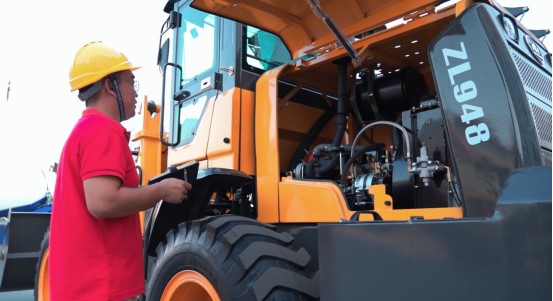
1. Weak Lifting Performance & Slow Boom Movement
One of the most common wheel loader hydraulic system problems is weak lifting force and slow boom response. Operators may notice that the boom lifts slowly, the bucket struggles under load, or hydraulic functions react sluggishly.
In most cases, the root causes include insufficient hydraulic oil, clogged hydraulic filters, contaminated hydraulic fluid, or wear within the hydraulic pump. These issues reduce hydraulic pressure and negatively affect overall loader efficiency.
To resolve this problem, operators should regularly inspect hydraulic oil levels, use manufacturer-recommended hydraulic fluid, replace blocked filter elements, and clean hydraulic pipelines when contamination is detected. If hydraulic pump wear is identified, professional repair or replacement may be required.
Raiso Wheel Loaders are equipped with optimized hydraulic systems designed to deliver responsive control, stable lifting performance, and long-term reliability. High-quality hydraulic components help reduce maintenance frequency and improve productivity in demanding working environments.
2. Engine Overheating During Operation
Engine overheating is another frequent wheel loader issue, particularly during summer operations or prolonged heavy-duty work. Excessive engine temperatures can significantly reduce machine performance and may eventually cause severe engine damage.
Common causes include clogged radiators, insufficient coolant levels, malfunctioning cooling fans, and poor heat dissipation within the engine compartment. If ignored, overheating can lead to cylinder head deformation, reduced engine power, and shortened engine lifespan.
Effective wheel loader maintenance involves cleaning radiator fins regularly, removing dust and debris from cooling systems, monitoring coolant quality and levels, and ensuring cooling fans operate properly. Operators should also avoid excessive overloading and allow adequate cooling periods during intensive work cycles.
Raiso Machinery designs its wheel loaders with efficient cooling systems to support stable operation in high-temperature environments, helping customers maintain productivity even under demanding conditions.
3. Abnormal Tire Wear & Excessive Driving Vibration
Uneven tire wear, steering instability, and excessive vibration during operation are common signs of chassis or tire-related problems. These issues not only affect operator comfort but also increase maintenance expenses and shorten tire service life.
The primary causes typically include incorrect tire pressure, worn steering bearings, wheel hub deformation, and axle imbalance. Operating on uneven terrain for extended periods can further accelerate tire wear.
To address these issues, operators should frequently inspect tire pressure, maintain manufacturer-recommended inflation levels, replace worn steering components, and check wheel alignment and axle balance. Early detection can significantly reduce tire replacement costs and improve machine stability.
Raiso Wheel Loaders feature durable chassis structures and robust axle systems engineered to withstand challenging construction and mining conditions while maintaining excellent driving stability.
4. Hydraulic Oil Leakage & Engine Oil Leakage
Oil leakage is a common maintenance concern, especially for wheel loaders that have accumulated extensive operating hours. Leaks may occur within hydraulic systems, engine lubrication systems, or pipeline connections.
The most common causes include aging seals, worn gaskets, loose fittings, and damaged hoses. Although small leaks may appear insignificant initially, they can gradually develop into major issues that result in reduced hydraulic pressure, insufficient lubrication, and costly component failures.
Routine inspections are essential. Operators should replace worn seals and damaged hoses promptly, tighten loose fittings, and carefully inspect oil circuits during daily maintenance checks.
Raiso Machinery emphasizes high-quality sealing technology and durable hydraulic components, helping reduce the risk of oil leakage and improving long-term operational reliability.
5. Insufficient Engine Power & Increased Fuel Consumption
When a wheel loader experiences sluggish acceleration, reduced working efficiency, or unusually high fuel consumption, the problem often originates within the air intake or fuel system.
Dust, debris, and contaminants commonly found on construction sites can clog air filters and restrict airflow. Carbon buildup inside the engine and fuel system can also negatively impact combustion efficiency, resulting in power loss and increased fuel usage.
To restore performance, operators should replace or clean air filters regularly, inspect fuel injectors, remove excessive carbon deposits, and ensure fuel supply systems remain unobstructed.
Raiso Wheel Loaders are engineered with fuel-efficient power systems that optimize combustion performance while helping customers reduce long-term operating costs.
6. Brake System Problems & Reduced Braking Performance
A reliable braking system is essential for wheel loader safety. Over time, continuous heavy-load operation can lead to brake wear and reduced braking effectiveness.
Common symptoms include longer stopping distances, delayed brake response, and abnormal brake pedal behavior. These problems are usually caused by worn brake pads, low brake fluid levels, contaminated brake components, or hydraulic brake system failures.
Preventive maintenance should include regular brake inspections, timely brake pad replacement, brake fluid monitoring, and cleaning of accumulated dust and debris within the braking system. Operators should also perform brake function tests before each work shift.
Raiso Machinery prioritizes safety by incorporating dependable braking systems designed to provide stable stopping performance in demanding jobsite conditions.
7. Difficult Starting in Cold Weather
Cold-weather operation presents unique challenges for wheel loaders. During winter months, operators may encounter hard starting, slow cranking, or complete startup failure.
Low temperatures can increase engine oil viscosity, reduce battery efficiency, and cause coolant-related issues. These factors place additional strain on the starting system and engine components.
To improve cold-weather reliability, operators should use winter-grade engine oil, maintain appropriate antifreeze protection, fully charge batteries, and preheat the engine when necessary before operation.
Raiso Wheel Loaders are designed to perform reliably across a wide range of environmental conditions, helping businesses maintain productivity throughout the year.
Frequently Asked Questions About Wheel Loader Troubleshooting
Q1: How can I prevent frequent hydraulic system failures in a wheel loader?
The best approach is preventive maintenance. Use high-quality hydraulic oil, replace hydraulic filters according to service schedules, avoid mixing different oil types, and regularly inspect hydraulic components for contamination or wear. Proper hydraulic system maintenance significantly reduces the likelihood of costly breakdowns.
Q2: Can small oil leaks be ignored?
No. Even minor oil leaks should be repaired as soon as possible. Small leaks often worsen over time and may eventually cause hydraulic pressure loss, component damage, reduced machine efficiency, and increased repair expenses.
Related Products
Welcome to contact us by leaving a message. We will get in touch with you as soon as we receive your message