
Choosing between an electric forklift and a diesel forklift is one of the most important decisions for warehouse operators, logistics companies, manufacturers, and industrial businesses. Selecting the wrong forklift type can result in higher operating costs, reduced productivity, increased safety risks, and even environmental compliance issues.
As a professional supplier of industrial machinery and material handling equipment, RAISO understands that every working environment has unique requirements. Whether you operate an indoor warehouse, an outdoor construction site, or a busy logistics center, understanding the differences between electric and diesel forklifts is essential for maximizing efficiency and long-term return on investment (ROI).
In this comprehensive RAISO electric vs diesel forklift comparison, we break down the key differences, advantages, disadvantages, and application scenarios to help businesses make a smarter forklift purchasing decision in 2026.
Electric vs Diesel Forklift: Understanding the Core Working Scenarios
Electric Forklifts: The Ideal Choice for Indoor Operations
Electric forklifts are specifically designed for indoor and enclosed working environments. Powered by advanced battery systems and electric motors, these forklifts generate zero exhaust emissions and operate with significantly lower noise levels than traditional diesel-powered equipment.
Because of their clean and quiet operation, electric forklifts are widely used in:
· Food processing warehouses
· Pharmaceutical storage facilities
· Cold chain logistics centers
· Manufacturing workshops
· Retail distribution warehouses
· High-bay storage facilities
In addition to environmental benefits, electric forklifts typically feature a compact design and smooth lifting performance, making them highly suitable for narrow aisles and precision material handling tasks.
For businesses prioritizing workplace safety, environmental responsibility, and efficient indoor operations, a RAISO electric forklift provides an effective and sustainable solution.
Diesel Forklifts: Built for Outdoor Heavy-Duty Applications
Diesel forklifts remain the preferred option for demanding outdoor environments. Equipped with powerful engines, they deliver superior torque, excellent climbing capability, and strong performance on uneven terrain.
Common applications include:
· Port terminals
· Construction sites
· Bulk cargo yards
· Mining operations
· Open-air logistics centers
· Industrial material storage facilities
Unlike electric models, diesel forklifts are not limited by charging schedules. Refueling takes only minutes, enabling continuous operation across multiple shifts and supporting 24-hour productivity when required.
For businesses handling heavy loads under challenging outdoor conditions, RAISO diesel forklifts provide dependable performance, durability, and operational flexibility.
Operating Cost Comparison: Electric Forklift vs Diesel Forklift
Long-Term Cost Advantages of Electric Forklifts
When evaluating total ownership costs, electric forklifts often provide substantial long-term savings.
Key cost benefits include:
· No diesel fuel expenses
· Fewer moving mechanical parts
· Reduced component wear
· Simplified maintenance procedures
· Lower downtime requirements
Routine maintenance typically involves battery inspections, charging system checks, and basic cleaning. Since electric motors have fewer wear-prone components than internal combustion engines, maintenance costs remain relatively low.
For businesses with intensive indoor operations, electric forklifts can reduce annual operating expenses by approximately 30%–40% compared with diesel forklifts, making them an attractive investment for long-term fleet management.
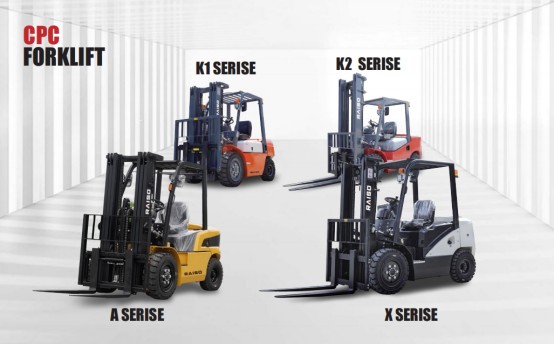
Diesel Forklifts: Lower Initial Cost but Higher Operating Expenses
Diesel forklifts often require a lower upfront investment, making them attractive for businesses with limited initial budgets.
However, long-term ownership costs generally include:
· Continuous diesel fuel consumption
· Engine oil replacement
· Filter replacement
· Hydraulic oil maintenance
· Engine servicing
· Carbon deposit cleaning
Although maintenance costs are higher, diesel forklifts continue to offer exceptional durability and overload resistance. Their rugged construction makes them highly effective for demanding outdoor operations where maximum power output is required.
For heavy-duty material handling tasks, many businesses still rely on RAISO diesel forklift solutions to maintain operational efficiency.
Safety and Environmental Performance
Why Electric Forklifts Lead in Environmental Compliance
Environmental regulations continue to become stricter worldwide, increasing demand for cleaner industrial equipment.
Electric forklifts provide several environmental and safety advantages:
· Zero exhaust emissions
· No combustion-related fire risks
· Reduced workplace noise pollution
· Improved indoor air quality
· Compliance with strict environmental standards
Many electric forklift models are also available with anti-explosion configurations, making them suitable for sensitive working environments where safety is critical.
For companies pursuing sustainability goals and ESG initiatives, electric forklifts represent a future-oriented investment.
Environmental Considerations for Diesel Forklifts
Diesel forklifts generate exhaust emissions and operating noise during use, making them less suitable for enclosed indoor environments.
Potential concerns include:
· Air quality deterioration
· Workplace noise exposure
· Exhaust accumulation in confined spaces
· Oil leakage risks from aging equipment
Proper maintenance and regular inspections are essential to ensure diesel forklifts continue meeting operational and environmental standards.
Despite these considerations, diesel forklifts remain indispensable for outdoor industries that require maximum power and continuous operation.
Frequently Asked Questions About Forklift Selection
Q1: Which forklift is more cost-effective for long-term use?
Electric forklifts are generally more economical for long-term indoor operations due to lower energy and maintenance costs.
Diesel forklifts are often more suitable for outdoor environments where heavy-duty performance and continuous operation are priorities.
Q2: Can a diesel forklift be used indoors temporarily?
While temporary indoor use may be possible under certain conditions, it is generally not recommended. Exhaust emissions can accumulate quickly, negatively affecting air quality and creating potential health and safety concerns.
Q3: Do electric forklifts have performance limitations?
Yes. Electric forklifts may face limitations in high-load, long-distance, or continuous outdoor operations due to battery endurance and power output constraints. In these situations, diesel forklifts often remain the more practical solution.
Related Products
Welcome to contact us by leaving a message. We will get in touch with you as soon as we receive your message