
Buying a wheel loader looks simple on paper. Compare horsepower. Compare bucket size. Compare price.
But anyone who has operated a construction wheel loader for more than a few months knows that specifications alone don’t tell the full story.
Whether it’s a front wheel loader working on a building site, in a quarry, or handling bulk material in an industrial yard, the machine is expected to run daily under load. Dust, uneven surfaces, repetitive cycles, and long shifts are part of normal operation. Over time, weaknesses show — not immediately, but gradually.
For businesses preparing to invest in a new wheel loader, the real concern isn’t how the machine performs on the first day. It’s how it performs after years of steady use.
At RAISO, this long-term perspective is exactly where our engineering focus begins.
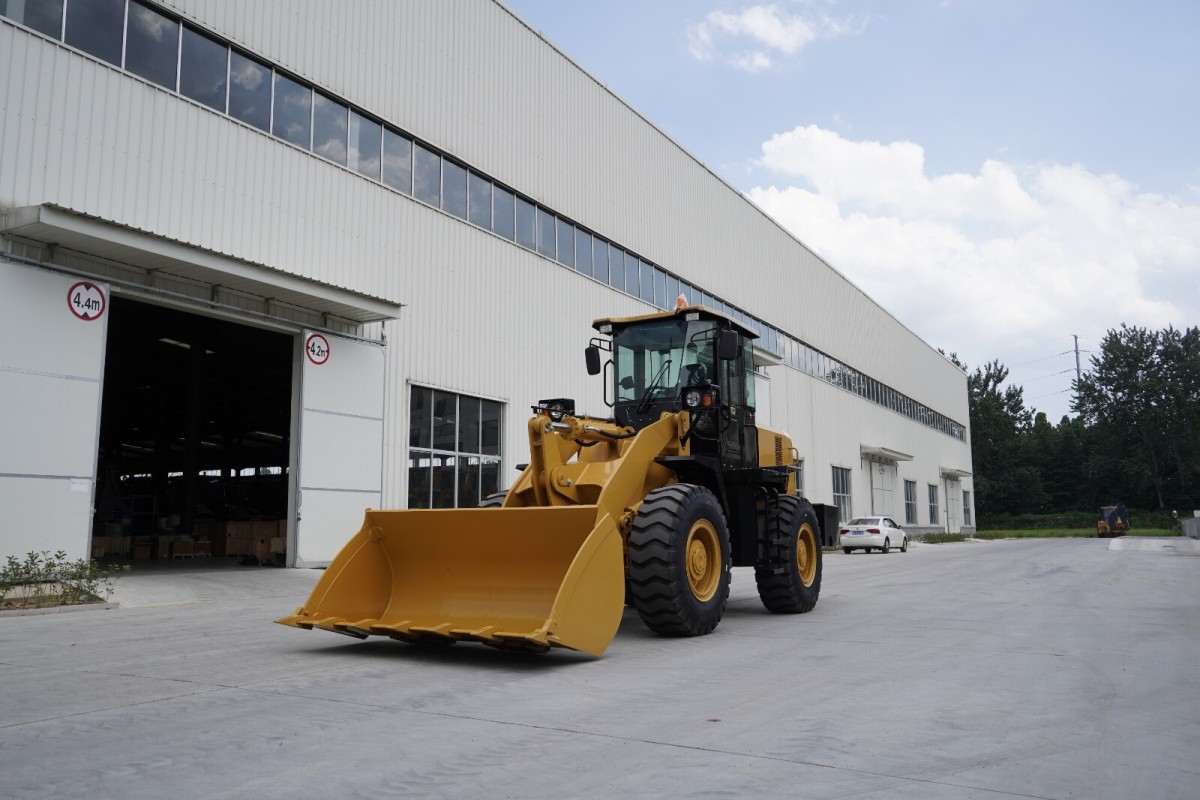
A Machine Should Feel Stable, Not Just Strong
Power attracts attention, but stability earns trust.
Two loaders with similar engine ratings can feel completely different in operation. One may feel smooth and controlled, while another feels strained when the bucket is full. The difference often lies in how the entire system is designed — not just the engine output.
When the drivetrain, transmission, and axles are properly matched, a loader moves naturally under load. Gear changes are predictable. Acceleration doesn’t feel abrupt. The machine maintains balance when traveling across uneven ground.
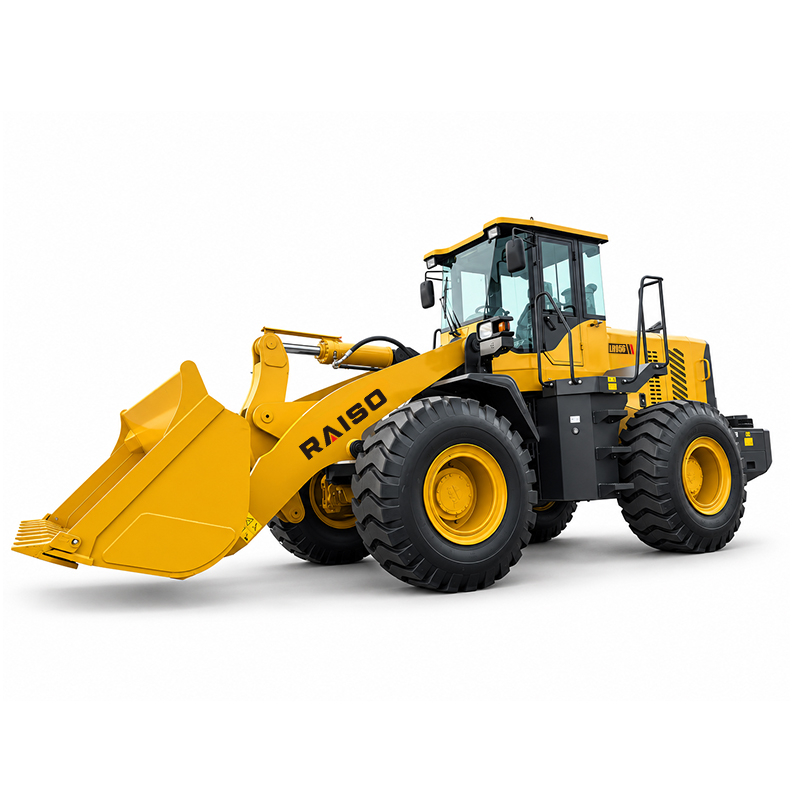
At RAISO, we approach every construction wheel loader as a coordinated mechanical system. Engine output is selected to work in harmony with transmission capacity and hydraulic demand. This reduces unnecessary stress on components and helps control fuel consumption over time.
A loader that feels balanced on day one is far more likely to remain reliable thousands of hours later.
Hydraulic Performance Should Stay Consistent All Day
Hydraulic behavior is something operators notice quickly. Lift speed, bucket control precision, and cycle timing directly affect daily productivity.
However, true hydraulic quality becomes clear after several hours of continuous work. Some machines operate well when cold but lose responsiveness as temperature rises. Small delays or inconsistent lifting speed might not seem serious at first, but they accumulate across an entire shift.
In RAISO wheel loaders, hydraulic components are selected and calibrated as an integrated system. Pumps, valves, and cylinders are matched to maintain steady flow and stable pressure under extended workloads. The goal isn’t just fast movement — it’s controlled and repeatable performance throughout the day.
Consistency under heat and load is often more valuable than peak speed.
Structure Determines Long-Term Confidence
Over time, structural quality becomes visible.
Hairline cracks around stress points. Premature pin wear. Slight frame distortion. These are not dramatic failures, but they indicate that the machine was designed too close to its limits.
A reliable front wheel loader should maintain structural alignment even after years of repeated loading cycles. Boom arms should remain solid under full buckets. Articulation joints should retain tight, predictable movement rather than developing play.
RAISO reinforces key load-bearing areas with high-strength materials and carefully designed stress distribution. Instead of chasing maximum numbers, our design philosophy focuses on structural margin — building machines that tolerate heavy work without gradual fatigue becoming a problem.
For companies purchasing a new wheel loader, this approach directly affects uptime and resale value.
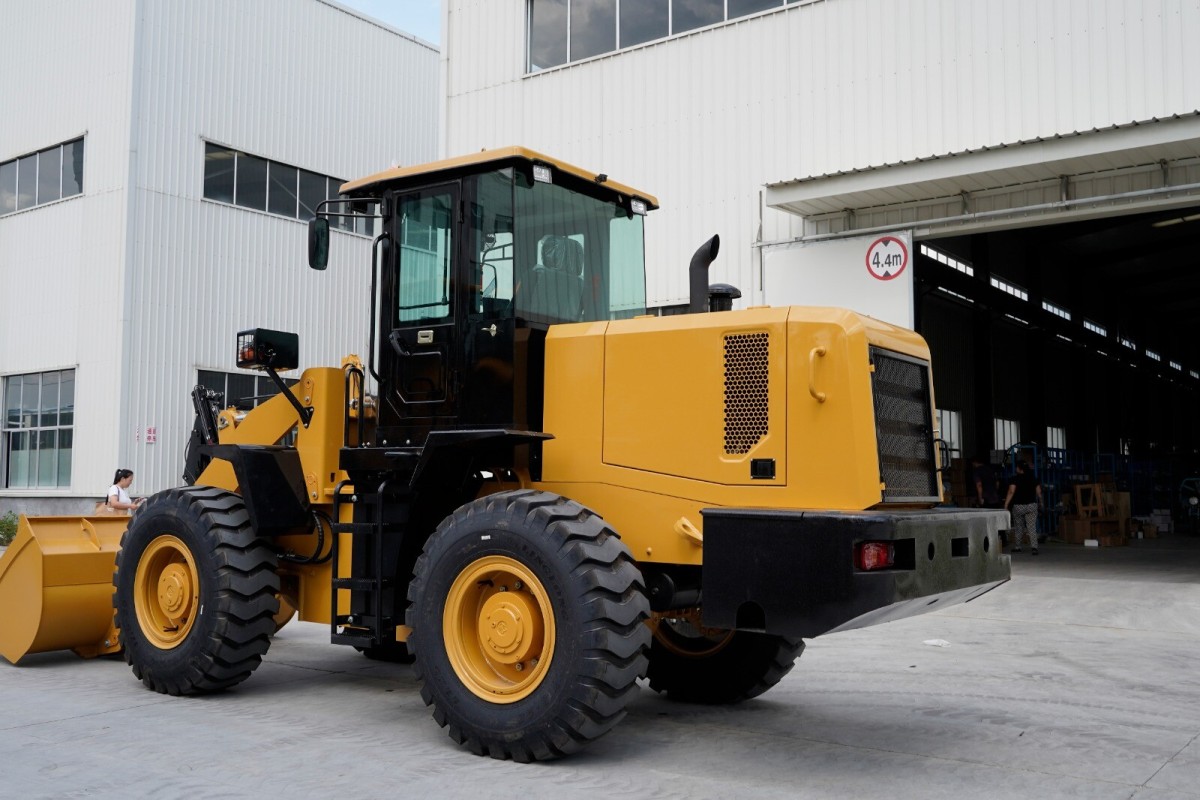
Maintenance Should Be Practical, Not Complicated
Even the most durable machine requires regular service. The difference lies in how easily that service can be performed.
Accessible service points, logical component layout, and the use of widely supported parts reduce downtime significantly. When maintenance takes hours instead of days, productivity stays on track.
RAISO wheel loaders are designed with practical serviceability in mind. We integrate globally recognized components where possible and ensure daily inspection points are straightforward to reach. This reduces operational interruptions and supports long-term reliability.
Reliability Is Measured Over Time
When a loader is brand new, almost every machine appears impressive. The true test begins after months of work in demanding conditions.
A well-built construction wheel loader should still feel tight, controlled, and stable long after the initial delivery. Steering remains accurate. Hydraulic response remains predictable. Structural integrity remains intact.
At RAISO, we build wheel loaders with this long-term reality in mind. Our focus is not on short-term impressions but on sustained performance in real working environments.
For businesses investing in a new wheel loader, choosing a machine engineered as a balanced system — rather than a collection of isolated specifications — makes a measurable difference in operating cost, reliability, and daily confidence on site.
Related Products
Welcome to contact us by leaving a message. We will get in touch with you as soon as we receive your message